Everyday Payments Become Simpler With UPI
UPI has changed the way many people handle everyday payments by making bank-to-bank transfers faster and easier to manage from a mobile device. From paying a local shopkeeper to sending money to family or settling a utility bill, the same payment method can support many routine transactions without requiring cash or card details every time.
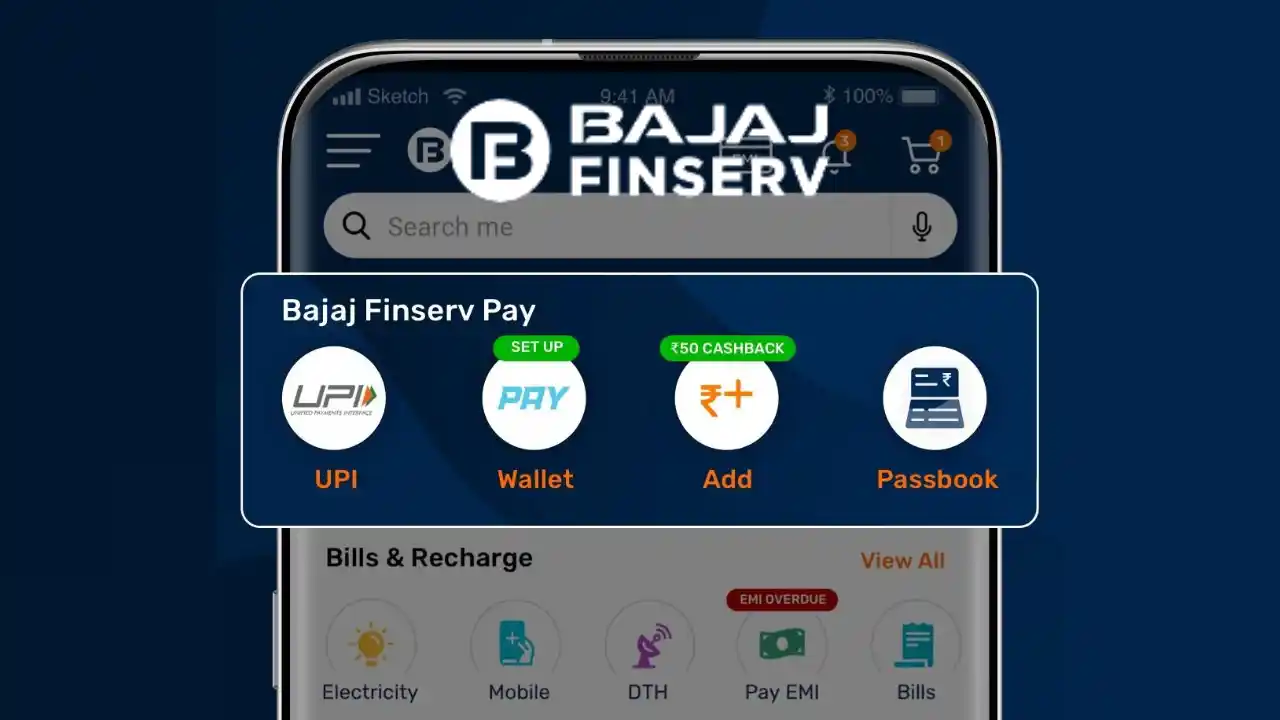
For people who already manage several financial activities digitally, including services available through a Personal Loan App, UPI can become another part of a broader mobile money routine. The key advantage is convenience, but good usage still depends on checking payment details carefully, maintaining account security and understanding what to do when a transaction is delayed or unsuccessful.
Instead of looking at UPI only as a payment feature, it is more useful to understand how it fits into different everyday situations.
Morning: Paying For Small Everyday Purchases
A typical day may begin with several low-value transactions.
A person may pay for breakfast, local transport, groceries or other routine purchases. UPI can reduce the need to carry exact cash for each transaction and can make small payments easier to track digitally.
However, convenience should not replace basic checking.
Before authorising a payment, the user should verify the merchant or recipient name displayed on the payment screen and confirm the amount.
Even for a small transaction, sending money to the wrong recipient can create unnecessary difficulty.
Building this checking habit into every payment is more useful than relying on memory or familiarity with a QR code.
Mid-Morning: Sending Money To Someone You Know
UPI is also commonly used for person-to-person transfers.
Someone may need to reimburse a colleague, send money to a family member or divide a shared expense.
In these situations, the user should confirm the recipient before entering the UPI PIN.
Saved contacts can make transfers quicker, but phone numbers and payment identifiers can change.
For a new recipient, a small test transfer may be useful when appropriate before sending a larger amount.
The main principle is simple: speed should come after verification, not before it.
Afternoon: Making Merchant Payments
Merchant payments may happen through QR codes, UPI IDs or app-based payment requests.
The process appears simple, but users should still pay attention to what the screen is asking them to approve.
A genuine payment normally requires the user to authorise money leaving the account.
Unexpected collect requests should be treated carefully, particularly when they come from unknown individuals.
Users should understand whether they are sending money or approving a request to debit their account.
This distinction becomes particularly important in fraud-prevention situations.
Using UPI For Recurring Expenses
Digital payment routines become more valuable when they help users manage regular household expenses.
Electricity, mobile, gas, broadband and other services may support online payment through UPI-enabled platforms.
A regular payment routine can reduce the chance of forgetting due dates.
However, users should still review the bill before authorising payment.
The consumer number, billing period and amount due should match the expected details.
If the amount looks unusually high, it is better to review the bill first rather than completing the transaction automatically.
UPI Can Help With Shared Expenses
Shared expenses are common in households, offices and social situations.
One person may pay the restaurant bill and collect individual shares later. Roommates may divide rent-related costs or utility bills.
UPI can simplify this process because money can be transferred directly without collecting cash.
Good record-keeping still matters.
When several people are sending payments, transaction references or payment notes can make reconciliation easier.
This reduces confusion over who has already paid and who still owes an amount.
QR Codes Need The Same Attention As Account Details
Scanning a QR code is fast, which can make the process feel automatic.
Users should remember that the QR code represents payment information.
After scanning, the app generally displays the recipient or merchant details.
These details should be checked before the payment is confirmed.
If the displayed name appears unfamiliar or inconsistent with the merchant, the transaction should not be completed until the details are verified.
A QR code should never be trusted only because it is physically displayed at a familiar location.
The UPI PIN Should Remain Private
The UPI PIN is a security credential used to authorise transactions.
It should not be shared with merchants, customer-service callers, delivery agents or anyone claiming to assist with a refund.
Users should enter it only within the authorised payment flow on their own device.
A legitimate person receiving money does not need the sender’s PIN.
This is one of the most important habits for safe digital payments.
Payment Requests Need Careful Review
A collect request can look similar to an incoming payment notification if the user is not paying attention.
Before entering a PIN, check whether the screen indicates that money will leave the account.
Unknown payment requests should not be approved simply because the sender claims that the transaction is required for a refund, reward or account verification.
When in doubt, users should leave the payment screen and contact the organisation through an official channel rather than continuing through an unexpected request.
What To Do When A Payment Is Pending
A pending transaction does not always mean the payment failed.
The system may still be processing the transfer.
Immediately attempting the same payment again can sometimes result in duplicate transactions if the original eventually succeeds.
A better approach is to check the transaction status and account balance first.
The payment reference should be retained until the status is clear.
If the transaction remains unresolved, the support process available through the payment platform or bank can be used.
What To Do When Money Is Debited But Payment Fails
This can be confusing because the merchant may not receive confirmation even though the payer sees a debit.
The first step is to avoid making assumptions.
Check the transaction status, bank balance and payment history.
Depending on the transaction outcome, the amount may be reversed after processing.
If it does not resolve, the transaction reference and payment details can help when raising a complaint through the relevant bank or app.
Keeping this information accessible can simplify follow-up.
UPI Records Can Support Better Expense Tracking
Digital transactions automatically create a payment trail.
That record can help users review where money was spent during the month.
Small purchases are often easy to underestimate because each payment feels insignificant.
Reviewing transaction history can reveal how frequently certain expenses occur.
For example, repeated food orders, transport payments or discretionary purchases may add up to a larger amount than expected.
UPI therefore supports not only payment convenience but also better visibility into spending behaviour.
Set Personal Limits For Casual Spending
The ease of digital payments can make frequent small purchases feel less noticeable than cash spending.
A useful habit is to establish a personal limit for discretionary transactions.
This does not need to be built into the payment app itself.
It can simply be part of the monthly budget.
Once users know how much they intend to spend on dining, entertainment or other flexible categories, transaction history can be reviewed against that limit.
This helps retain financial awareness even when payments take only a few seconds.
Avoid Making Payments Over Untrusted Networks
Users should be cautious when performing financial transactions through unsecured or unfamiliar networks.
Mobile banking and payment activities involve sensitive financial information.
Using trusted internet access and keeping the device software updated can reduce unnecessary exposure.
The phone should also be protected with a secure screen lock.
If the device is lost, access to payment apps and bank accounts should be secured as quickly as possible through the available official controls.
Keep Contact Information Updated With The Bank
UPI services generally depend on the mobile number linked to the bank account.
If the registered number changes, users should make sure banking details are updated appropriately.
An outdated number can complicate account access and transaction verification.
The same principle applies when changing devices or SIM cards.
Financial apps should be set up again through the proper verification process rather than relying on old login information stored elsewhere.
Avoid Treating UPI Balance Visibility As A Budget
Seeing money available in a bank account does not mean all of it is available for casual spending.
Part of the balance may already be needed for rent, EMIs, insurance or upcoming bills.
A user can therefore have a healthy account balance while still having limited discretionary money.
Separating committed money from spendable money makes UPI use more disciplined.
This prevents payment convenience from interfering with larger financial obligations.
A Simple UPI Routine Can Improve Control
A practical routine can keep everyday payments manageable:
- Check the recipient before every payment.
- Confirm the amount carefully.
- Enter the PIN privately.
- Save important transaction references.
- Review pending payments before trying again.
- Check weekly spending through transaction history.
- Keep upcoming bills and EMIs separate from casual spending.
These habits require very little extra time but can improve both security and financial organisation.
Evening Review: Look At The Day’s Transactions
At the end of the day, a quick glance at recent transactions can be useful, especially after several payments.
This helps confirm that each payment was intentional and correctly processed.
It can also help identify duplicate transactions or unfamiliar debits early.
Most users do not need to perform a detailed financial review every evening.
A simple check is enough to maintain awareness.
Weekly or monthly reviews can then provide a broader view of spending patterns.
UPI Works Best As Part Of A Larger Money Routine
UPI is a payment method, not a replacement for budgeting.
Its usefulness increases when payments are connected to a broader financial system.
Income can be allocated between essential expenses, savings, EMIs and discretionary spending first.
UPI then becomes the mechanism used to complete transactions within those limits.
This approach preserves the convenience of instant payments while keeping financial decisions deliberate.
Conclusion
UPI can make everyday money movement simpler by bringing merchant payments, person-to-person transfers and regular bills into one familiar digital process. Its real value, however, depends on how carefully it is used.
Checking the recipient, protecting the UPI PIN, reviewing transaction status and monitoring spending history can make digital payments more controlled. Users should also remember that a quick payment interface does not remove the need for budgeting or careful financial decisions.
If a separate borrowing need arises and someone considers using a quick loan app, that choice should be assessed independently from routine UPI spending. Loan eligibility, interest, charges, repayment tenure and affordability should all be reviewed before borrowing.