Managing regular expenses becomes easier when payments are organized on time. Online bill payment helps households control electricity, water, mobile, internet, rent, insurance, and other recurring charges from one place. Instead of standing in queues or missing due dates, users can complete tasks in minutes through secure digital methods. A clear payment routine also supports savings goals and better financial planning.
Today, many people use digital tools not only for utility payments but also for managing wider finances. Some users compare services such as a gold loan app or a loan app while planning cash flow for monthly commitments. When expenses are monitored properly, it becomes simpler to balance bills, savings, and future needs. Online bill payment is no longer only about convenience; it is also a useful budgeting habit.
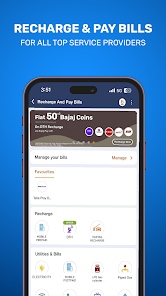
Why Online Bill Payment Matters for Budget Planning
Monthly budgets work best when every outgoing payment is tracked. Traditional payment methods often create delays, forgotten due dates, or extra travel costs. Online bill payment reduces these issues by allowing users to pay from home or while travelling.
Main benefits include:
- Faster payments with fewer steps
- Better record keeping through digital receipts
- Easy review of past transactions
- Timely payments that help avoid penalties
- Improved awareness of monthly spending patterns
When people know where their money goes each month, they can make stronger financial decisions. Even those researching a gold loan app or a loan app can use payment history to understand affordability before taking any borrowing decision.
How to Build Monthly Budget Planner Goals
Creating goals gives direction to income and expenses. Without goals, money often disappears into unplanned spending. A monthly planner can be simple and practical.
Step 1: List Fixed Expenses
Start with bills that usually remain stable:
- Rent
- Electricity
- Water
- Internet
- School fees
- Insurance premiums
These payments should be prioritised first.
Step 2: Estimate Variable Expenses
Add flexible categories such as:
- Groceries
- Fuel
- Dining
- Shopping
- Entertainment
Tracking these amounts helps reduce waste.
Step 3: Allocate Savings
Reserve money for:
- Emergency funds
- Future purchases
- Travel plans
- Debt reduction
Step 4: Set Payment Dates
Align bill payments with salary dates or income cycles. This lowers the risk of shortage later in the month.
Best Practices for Smooth Online Bill Payment
A smooth payment experience depends on planning and safety. Use these habits to stay organised.
Keep a Payment Calendar
Mark all due dates in a digital calendar or notebook. This avoids missed deadlines and penalty charges.
Use Strong Security Habits
Always verify websites or apps before entering payment details. Use secure passwords and update them regularly.
Save Receipts
Digital confirmations help if disputes happen later. Maintain a folder for monthly records.
Review Every Month
Compare current bills with earlier months. Sudden increases may reveal wasteful usage or billing errors.
How Online Payments Support Savings Goals
Many people think bill payments only reduce money, but proper payment management can increase savings too. Late fees, reconnection charges, and travel expenses for offline payments slowly reduce monthly funds. Paying online on time helps keep more money available.
For example:
- Paying electricity early avoids penalty charges
- Monitoring data plans may reveal cheaper options
- Reviewing subscriptions may help remove unused services
- Using one dashboard gives clearer spending visibility
When users save small amounts each month, those savings can move toward future goals.
Common Mistakes to Avoid
Even with digital convenience, mistakes still happen. Avoid these common problems:
Ignoring Due Dates
Automatic reminders are useful, but users should still check dates personally.
Paying Without Verification
Always confirm account numbers, consumer IDs, or biller names before payment.
Forgetting Small Bills
Minor subscriptions often continue unnoticed. Review them regularly.
Spending Before Bills Are Covered
Some people spend first and pay bills later. Essential payments should come before optional purchases.
Online Bill Payment for Families and Individuals
Different households have different needs. A single person may focus on rent, phone, and transport. A family may handle school fees, groceries, insurance, and multiple utility bills. Online systems help both by centralising tasks.
Families can assign responsibilities, share reminders, and track spending together. Individuals can build discipline and maintain cleaner records. Those also considering a gold loan app or a loan app for urgent needs should first review their monthly payment structure, as better planning may reduce unnecessary borrowing.
Future of Monthly Budget Management
Digital finance tools continue to improve. Users now expect faster payments, instant confirmations, reminders, and spending summaries. Over time, budgeting may become even more personalised through insights based on payment behaviour.
Still, technology works best when combined with discipline. A budget planner succeeds because of regular review, realistic limits, and consistent habits.
Conclusion
Online bill payment is one of the simplest ways to create order in personal finance. It saves time, reduces missed deadlines, improves records, and helps users stay focused on monthly budget planner goals. By listing expenses, setting due dates, checking statements, and reviewing spending habits, anyone can gain stronger control over money.
Whether someone is managing household bills, building savings, or comparing options like a gold loan app and a loan app, the first step is understanding monthly commitments clearly. Good payment habits lead to better financial choices. Online bill payment, when used wisely, becomes more than a convenience—it becomes a practical path toward financial stability and smarter monthly planning.